

A changing labour market
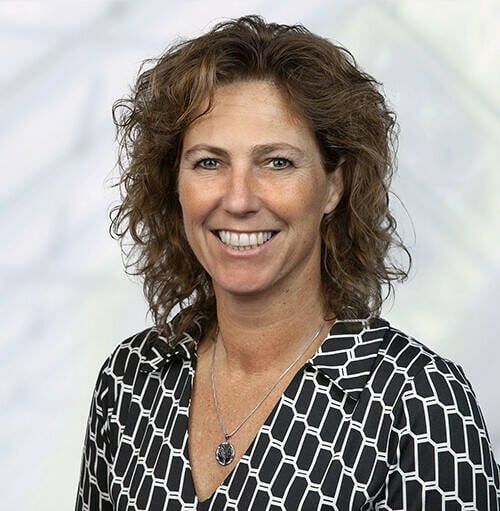
“We need to do a better job of listening to the needs of all generations”
“Do the current labour market problems only exist in our minds? To me, that was the most thought-provoking question from the TrendTalks. Is there really a labour shortage, or is it simply unrealistic that a third of the population will soon have to work in healthcare? Are we understaffed or is the system unsustainable?
We’re already putting a lot of effort into recruiting, engaging and retaining people. And we’re trying to find ways to deliver the same standard of care with the same number of people – or maybe even with fewer people – by working smarter and dividing tasks differently. We’re also investing in digitalisation and data-driven working. But these initiatives aren’t enough, so we have to change tack. The how of it all is still quite a puzzle.
In my opinion, we shouldn’t just be consulting Gen Z, the current generation of young people, but also older generations, who have different needs because they’re at a different stage of life. And as an organisation, we need to be flexible enough to really respond to those needs. It’s all about agility. When we think about the future, we make too many assumptions based on our current knowledge and the way we do things now. We have to be willing to think in terms of different working hours, flexible contracts, combining jobs inside and outside the organisation – we have to be open to the idea of changing things. This also applies to our education: we need to prepare students for a future where they’ll have to adapt to new ways of working that we can’t foresee. Many of our colleagues have great ideas about how to do that, so let’s hear what they have to say.”
Food for thought from the TrendTalks:
Half of the employees who leave Amsterdam UMC say that their departure could have been prevented, for example by better management.
We have to change the way we work, because the system isn’t going to change and staff shortages aren’t temporary.
We’re still using frameworks that made sense years ago but no longer fit the current situation, limiting the organisation’s freedom of movement.
There are several possible ways to address the staff shortages in healthcare: cooperation (for example in talent pools with other hospitals, by facilitating combined jobs and in providing accommodation), better recruitment, building sustainable labour relations and technical innovation.
The input from these TrendTalks was further explored in the expert sessions on Labour market developments: employer of the future and Working differently: work processes and digitalisation. The results of these sessions will be discussed during the Help Shape Our Future events and the two-day strategy meeting.
Missed the TrendTalks? The video recordings and presentations are available on Tulpintranet under the Strategy theme.
Food for thought from the TrendTalks:
Half of the employees who leave Amsterdam UMC say that their departure could have been prevented, for example by better management.
We have to change the way we work, because the system isn’t going to change and staff shortages aren’t temporary.
We’re still using frameworks that made sense years ago but no longer fit the current situation, limiting the organisation’s freedom of movement.
There are several possible ways to address the staff shortages in healthcare: cooperation (for example in talent pools with other hospitals, by facilitating combined jobs and in providing accommodation), better recruitment, building sustainable labour relations and technical innovation.
The input from these TrendTalks was further explored in the expert sessions on Labour market developments: employer of the future and Working differently: work processes and digitalisation. The results of these sessions will be discussed during the Help Shape Our Future events and the two-day strategy meeting.
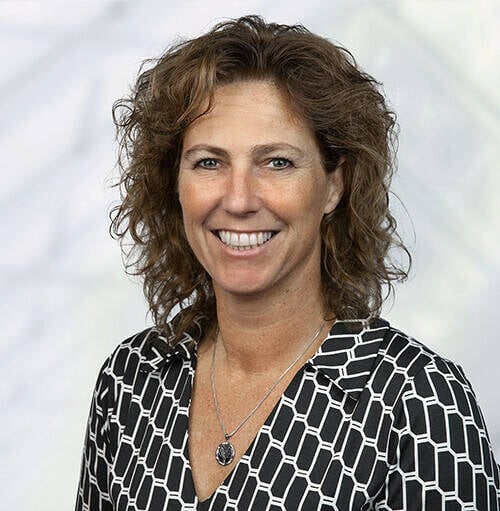
“We need to do a better job of listening to the needs of all generations”
“Do the current labour market problems only exist in our minds? To me, that was the most thought-provoking question from the TrendTalks. Is there really a labour shortage, or is it simply unrealistic that a third of the population will soon have to work in healthcare? Are we understaffed or is the system unsustainable?
We’re already putting a lot of effort into recruiting, engaging and retaining people. And we’re trying to find ways to deliver the same standard of care with the same number of people – or maybe even with fewer people – by working smarter and dividing tasks differently. We’re also investing in digitalisation and data-driven working. But these initiatives aren’t enough, so we have to change tack. The how of it all is still quite a puzzle.
In my opinion, we shouldn’t just be consulting Gen Z, the current generation of young people, but also older generations, who have different needs because they’re at a different stage of life. And as an organisation, we need to be flexible enough to really respond to those needs. It’s all about agility. When we think about the future, we make too many assumptions based on our current knowledge and the way we do things now. We have to be willing to think in terms of different working hours, flexible contracts, combining jobs inside and outside the organisation – we have to be open to the idea of changing things. This also applies to our education: we need to prepare students for a future where they’ll have to adapt to new ways of working that we can’t foresee. Many of our colleagues have great ideas about how to do that, so let’s hear what they have to say.”
A changing labour market

© Amsterdam UMC 2024
