Missed the TrendTalks? The video recordings and presentations are available on Tulpintranet under the Strategy theme.

Digitisation, data and AI
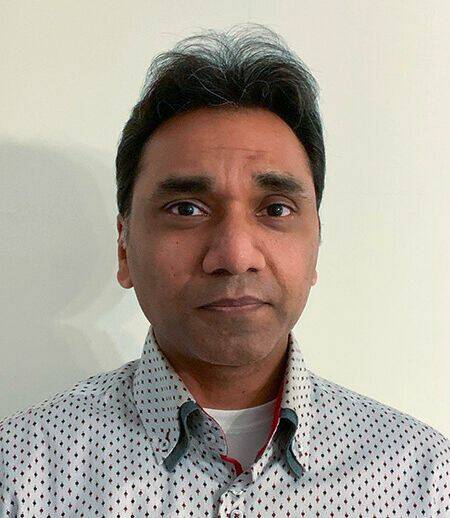
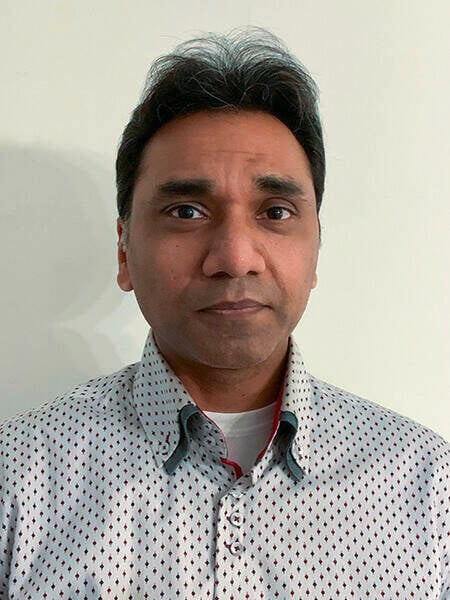
Nurmohamed
“AI is also about people”
“The current feeling is that a future without AI is unimaginable. It’s important that we invest in AI applications, and that we get our data and data platforms in order – at local, regional and national level. We’re still not fully leveraging the data we have at our disposal. We will need partnerships to exchange data and develop new platforms and applications, with healthcare partners but perhaps also with tech companies and start-ups. Innovation is needed to meet the challenging goals that were set in the Integrated Care Agreement (Integraal Zorgakkoord, IZA).
But no matter how you look at it, this evolution will go hand in hand with the redesign of work processes. We have to include ‘the human element’ in those plans, because technology is useless if people don’t support it. This is called the ‘soft side’, but it might just be the hardest condition. We’ll have to train, retrain and unlearn. Learn to learn, unlearn and relearn was a key phrase in Du Plessis’ TrendTalk. It’s also important that we learn from each other. There’s a new generation of digital natives on the way, and Generation X has a lot to learn from Generation Z when it comes to digital processes – and soon perhaps from Generation Alpha as well. It’s a kind of reversed mentorship. But there’s also a lot of knowledge to unlock at the departmental level. If we start combining things we’re already doing in this area at Amsterdam UMC, UvA and VU Amsterdam, the results would be very impressive. If we get a better overview, there’s potential for valuable internal partnerships.”
Food for thought from the TrendTalks:
AI can be used outside patient care as well. Teaching hospitals can already use AI in many of their support departments.
AI is not going to replace you as an employee, but you could be replaced by someone who’s more skilled at using AI.
The use of AI in healthcare will raise many ethical issues. The current legislation provides a good framework, but the healthcare sector must have a role in addressing these issues, also at European level.
Data volume matters: ensure access to a large collection of data that can be used for quality purposes. At the same time, be aware that data storage and AI are energy-intensive and therefore not sustainable.
The input from these TrendTalks was further explored in the expert sessions on Working differently: work processes and digitalisation and Digitalisation and technology. The results of these sessions will be discussed during the Help Shape Our Future events and the two-day strategy meeting.
Food for thought from the TrendTalks:
AI can be used outside patient care as well. Teaching hospitals can already use AI in many of their support departments.
AI is not going to replace you as an employee, but you could be replaced by someone who’s more skilled at using AI.
The use of AI in healthcare will raise many ethical issues. The current legislation provides a good framework, but the healthcare sector must have a role in addressing these issues, also at European level.
Data volume matters: ensure access to a large collection of data that can be used for quality purposes. At the same time, be aware that data storage and AI are energy-intensive and therefore not sustainable.
The input from these TrendTalks was further explored in the expert sessions on Working differently: work processes and digitalisation and Digitalisation and technology. The results of these sessions will be discussed during the Help Shape Our Future events and the two-day strategy meeting.

© Amsterdam UMC 2024

“AI is also about people”
“The current feeling is that a future without AI is unimaginable. It’s important that we invest in AI applications, and that we get our data and data platforms in order – at local, regional and national level. We’re still not fully leveraging the data we have at our disposal. We will need partnerships to exchange data and develop new platforms and applications, with healthcare partners but perhaps also with tech companies and start-ups. Innovation is needed to meet the challenging goals that were set in the Integrated Care Agreement (Integraal Zorgakkoord, IZA).
But no matter how you look at it, this evolution will go hand in hand with the redesign of work processes. We have to include ‘the human element’ in those plans, because technology is useless if people don’t support it. This is called the ‘soft side’, but it might just be the hardest condition. We’ll have to train, retrain and unlearn. Learn to learn, unlearn and relearn was a key phrase in Du Plessis’ TrendTalk. It’s also important that we learn from each other. There’s a new generation of digital natives on the way, and Generation X has a lot to learn from Generation Z when it comes to digital processes – and soon perhaps from Generation Alpha as well. It’s a kind of reversed mentorship. But there’s also a lot of knowledge to unlock at the departmental level. If we start combining things we’re already doing in this area at Amsterdam UMC, UvA and VU Amsterdam, the results would be very impressive. If we get a better overview, there’s potential for valuable internal partnerships.”
Digitalisering, data en AI