Missed the TrendTalks? The video recordings and presentations are available on Tulpintranet under the Strategy theme.
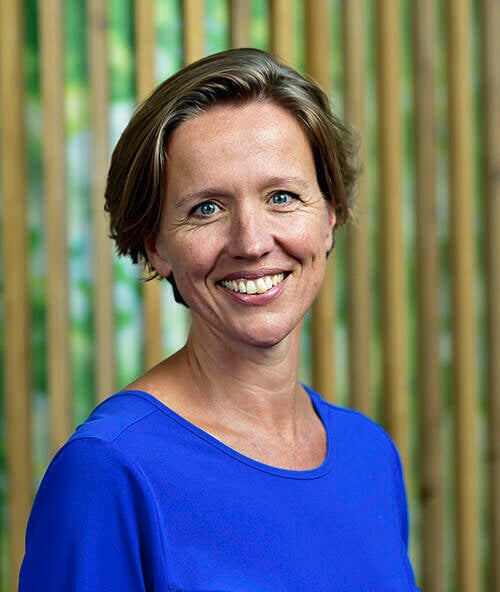
“We need a broad, societal perspective on health”
“An important common thread in the TrendTalks was the need to look outward more, and to broaden our discussions about the future. There are big challenges ahead, which will affect each of our four core tasks. At the same time, Amsterdam UMC can’t tackle these challenges alone. But we can take an ambitious leadership role in broadening the public debate on healthcare and the importance of prevention and reducing health inequalities. We’ll have to make the connection between the individual and the societal level to keep care accessible in the future. Because good care is also about preventing care. We will need to make a medical as well as a societal diagnosis – to look for the causes of diseases so we can move towards sustainable health and healing.
Jet Bussemaker, former minister of Education, Culture and Science, quoted Michael Marmot in her TrendTalk: ‘Why treat people and send them back to the conditions that made them sick?’ For me, that really sums up the challenge we face moving forward. If we want to keep providing care to those who need it, we have to look beyond quality of care and engage in the public debate on health. We need to advocate for health policy with a broad perspective. This should also be part of how we train the professionals of the future. We need to conduct research that contributes to prevention and actively integrate scientific findings into policy and practice.
Which also ties in well with the theme of sustainability and what one of the other speakers, Johan Mackenbach, said: climate change has potentially disastrous consequences for human health, and healthcare leaders need to be clear in their communication about these risks – and about the solutions. For too long, teaching hospitals have ignored this challenge. That needs to change.”
Food for thought from the TrendTalks:
Providing care is also about preventing care. Prevention helps keep high-quality care accessible and affordable.
A medical as well as a societal diagnosis is needed: sustainable healing is about identifying the question behind the patient’s question.
More multidisciplinary research is needed on the relationship between social and medical factors, in collaboration with the neighbourhood, city and region.
The doctor of the future must be well versed in prevention strategies and policies, and know what factors determine the success (or lack thereof) of prevention efforts.
The input from these TrendTalks was further explored in the expert sessions on Prevention, health disparities and appropriate care. The results of these sessions will be discussed during the Help Shape Our Future events and the two-day strategy meeting.
and Health


Prevention and health disparities
Prevention and health disparities
and Health
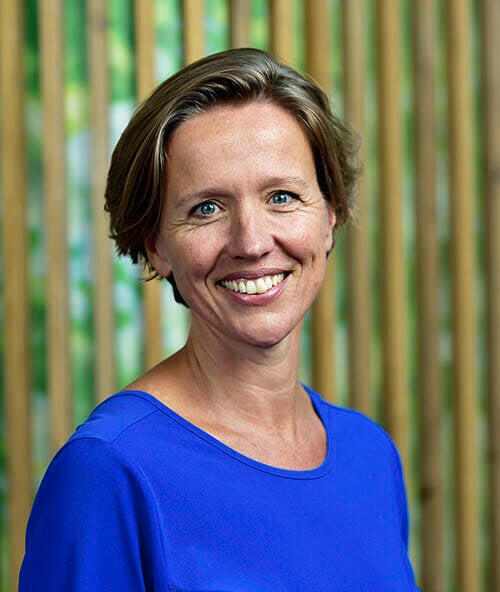
“We need a broad, societal perspective on health”
“An important common thread in the TrendTalks was the need to look outward more, and to broaden our discussions about the future. There are big challenges ahead, which will affect each of our four core tasks. At the same time, Amsterdam UMC can’t tackle these challenges alone. But we can take an ambitious leadership role in broadening the public debate on healthcare and the importance of prevention and reducing health inequalities. We’ll have to make the connection between the individual and the societal level to keep care accessible in the future. Because good care is also about preventing care. We will need to make a medical as well as a societal diagnosis – to look for the causes of diseases so we can move towards sustainable health and healing.
Jet Bussemaker, former minister of Education, Culture and Science, quoted Michael Marmot in her TrendTalk: ‘Why treat people and send them back to the conditions that made them sick?’ For me, that really sums up the challenge we face moving forward. If we want to keep providing care to those who need it, we have to look beyond quality of care and engage in the public debate on health. We need to advocate for health policy with a broad perspective. This should also be part of how we train the professionals of the future. We need to conduct research that contributes to prevention and actively integrate scientific findings into policy and practice.
Which also ties in well with the theme of sustainability and what one of the other speakers, Johan Mackenbach, said: climate change has potentially disastrous consequences for human health, and healthcare leaders need to be clear in their communication about these risks – and about the solutions. For too long, teaching hospitals have ignored this challenge. That needs to change.”
Food for thought from the TrendTalks:
Providing care is also about preventing care. Prevention helps keep high-quality care accessible and affordable.
A medical as well as a societal diagnosis is needed: sustainable healing is about identifying the question behind the patient’s question.
More multidisciplinary research is needed on the relationship between social and medical factors, in collaboration with the neighbourhood, city and region.
The doctor of the future must be well versed in prevention strategies and policies, and know what factors determine the success (or lack thereof) of prevention efforts.
The input from these TrendTalks was further explored in the expert sessions on Prevention, health disparities and appropriate care. The results of these sessions will be discussed during the Help Shape Our Future events and the two-day strategy meeting.

© Amsterdam UMC 2024
