Focus group
“All aboard!”

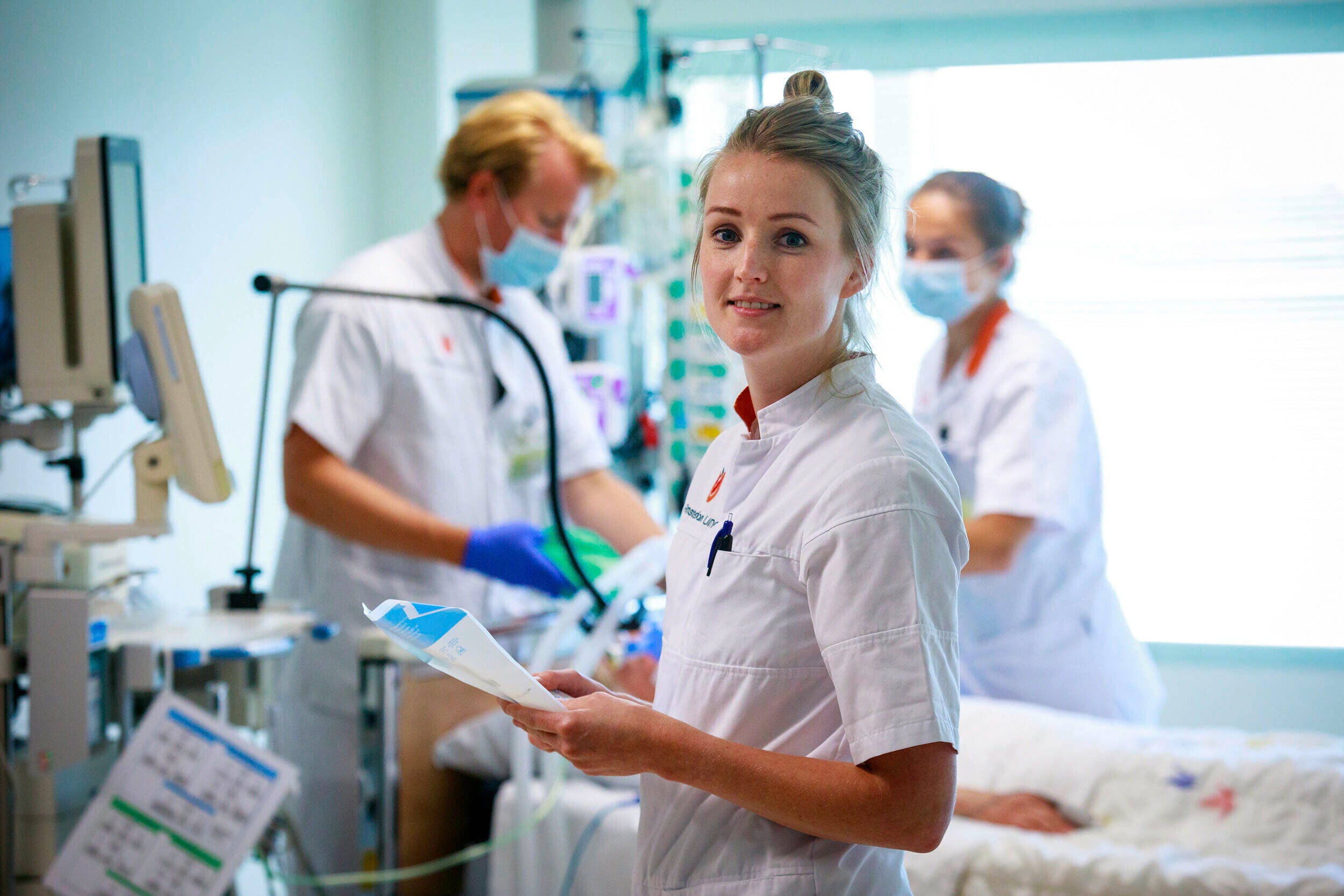
Will everyone’s perspective receive the same attention in the strategy development process? The 20 members of the focus group will make sure of it. But what exactly is their role and what is their experience of the process so far? “The goal is for everyone to feel represented and to be on board with the strategy.”

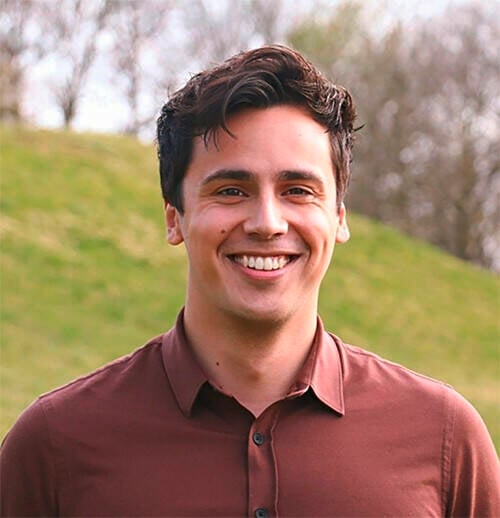
Rein Oostveen
PhD candidate, on behalf of ASAP
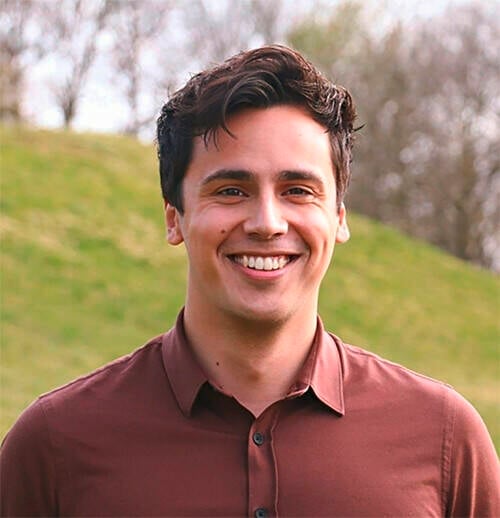
“The topic of the multi-year strategy and its components is interesting to PhD candidates. AI is a topic of discussion at lunch almost every day. We are already using ChatGPT on a daily basis for data analyses and in the writing of manuscripts, but the frameworks in this context are still lacking. While we can see benefits, we are also concerned about the risks and possible ethical concerns. Ours is the first generation to work with AI and the generation that uses it the most by far, so we are glad to share our thoughts and experiences. Another very important topic for younger employees is the environment. Is it even acceptable to fly around the world for conferences?
We are happy that there is attention for our perspective, that people listen to us seriously and that our input is actually used in practice. The strategy team’s set-up is excellent: representatives from all layers of the Amsterdam UMC organisation get together and everyone listens to each other. We were also pleasantly surprised to find out that multiple PhD candidates had been invited to the two-day Strategy event. This shows that our voice matters.
The topics we are currently discussing are major. Labour market, AI, environment: all matters that we deal with on a daily basis or will be dealing with. We now have the opportunity to determine our approach, so get involved!”
Marjolijn de Bruijn
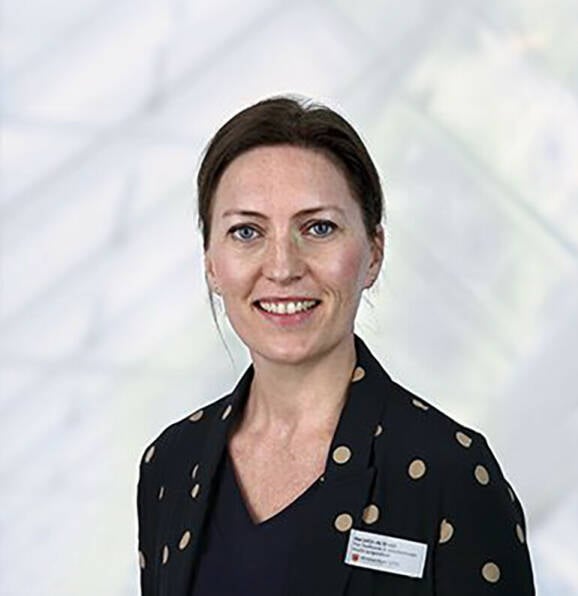
Head of outpatient clinics division 2
“I joined the focus group on behalf of a mixed base including mainly nurses, medical assistants and administrative assistants of both clinical and outpatient departments. It is less self-evident for them that they can actively contribute to strategy development, while the themes are recognisable and tangible in their daily practice. I contribute to brainstorming about how we can bring the strategy a little closer to them and which channels would be most effective in involving them. I also work the other way around, by bringing their practice to the focus group, because the new strategy needs to reflect all departments and be workable for everyone.
Themes such as staff shortages and sustainability will require new and creative solutions and good leadership from us. During the merger, our focus was inward. Now we are more open to what we are facing from the outside. At the same time we need to be aware that many are still working intensively on lateralisations or their consequences. These types of drastic changes require a great deal from everyone, but not everyone will have the same scope available at the same time.”
Kirsten Douma
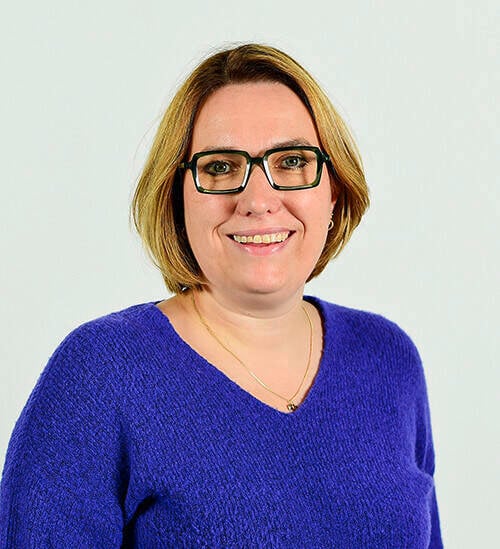
team manager for lecturers of the Medical School (Education support)
“For me, the most important focal point is that there needs to be plenty of attention for education in the strategy development. In academic hospitals, there is naturally a strong focus on care, from which everything else follows. But the other way around is also possible: education and research can result in changes in care. A main topic is the flexibility of employees and that means that a translation to education is needed: what can we do to ensure the curriculum ‘goes with the flow’?
As a focus group we help brainstorm about things such as how can we best involve employees, and how do the people we represent feel about strategy development? We can also attend meetings. I went to a few TrendTalks and wrote a report on them for my colleagues. During our staff meetings we discussed themes from the reports and I also shared some excerpts from the TrendTalks. The meetings were interesting and I thought it would be a waste if the information was not available for use in our department. In this sense we are secretly also ambassadors.
Many people in the organisation feel far removed from the strategy. I think we need to be realistic and be aware that not everyone will actively form an opinion on it. It would be great if everyone at least knows that we are working on this, to make sure people are not surprised by anything in the future.”
Merel Peletier
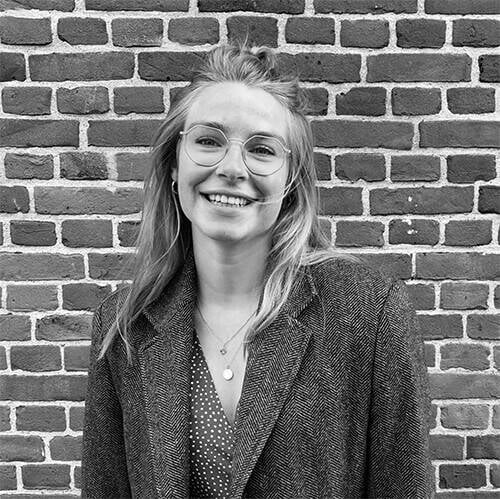
board member of
Young Amsterdam UMC
“Young Amsterdam UMC represents the organisation’s young employees wherever policy is created and that includes this strategy development process. It is a broad group of people with very diverse roles. What we have in common are the subjects important to our generation: digitisation, sustainability, diversity and inclusion, flexibility at work and binding employees to the organisation.
The common thread in all of these topics is: how do we make this hospital future-proof? I view it as my job to carefully consider for each point discussed whether it also applies to young people and new employees.
It is fun to contribute positively to the organisation in addition to my lab work as a PhD candidate in the Vascular Medicine department. It is also interesting to hear the perspectives of so many different types of people in the focus group and the TrendTalks. What struck me in particular was the liveliness of the discussions and the commitment shown by participants. We will also be joining the expert sessions and the two-day Strategy event soon. I expect that great strides will be made there and that this is where we can contribute the most.”
The members of the focus group are Judith Weeda and Dayenne Zwaagman (patient perspective), Fatiha Stitou Laaroussi and Marjolijn de Bruijn (nurses, medical assistants and outpatient clinic employees), Cees van Kuijk and Tijs Stehman (medical specialists), Marian de Haan, Suzanne Geerlings, Peter Steltman, Hotze Lont and Kirsten Douma (education & training), Rashmi Kusurkar and Ronald Boellaard (research), Rein Oostveen (Association of Amsterdam UMC PhD Candidates), Merel Peletier (Young Amsterdam UMC), Gijs van den Bergh and Vince Schilder (Medical students), Mirjam van Belzen (Public Affairs, Communications Department), Judith van Dijk (Facilities Services) and Dieta Kroes and Ingrid Blom (HR).

Will everyone’s perspective receive the same attention in the strategy development process? The 20 members of the focus group will make sure of it. But what exactly is their role and what is their experience of the process so far? “The goal is for everyone to feel represented and to be on board with the strategy.”
Focus group
“All aboard!”

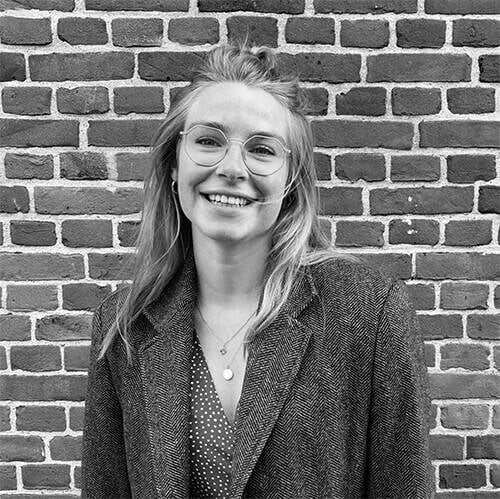
“Young Amsterdam UMC represents the organisation’s young employees wherever policy is created and that includes this strategy development process. It is a broad group of people with very diverse roles. What we have in common are the subjects important to our generation: digitisation, sustainability, diversity and inclusion, flexibility at work and binding employees to the organisation.
The common thread in all of these topics is: how do we make this hospital future-proof? I view it as my job to carefully consider for each point discussed whether it also applies to young people and new employees.
It is fun to contribute positively to the organisation in addition to my lab work as a PhD candidate in the Vascular Medicine department. It is also interesting to hear the perspectives of so many different types of people in the focus group and the TrendTalks. What struck me in particular was the liveliness of the discussions and the commitment shown by participants. We will also be joining the expert sessions and the two-day Strategy event soon. I expect that great strides will be made there and that this is where we can contribute the most.”
Merel Peletier
board member of
Young Amsterdam UMC
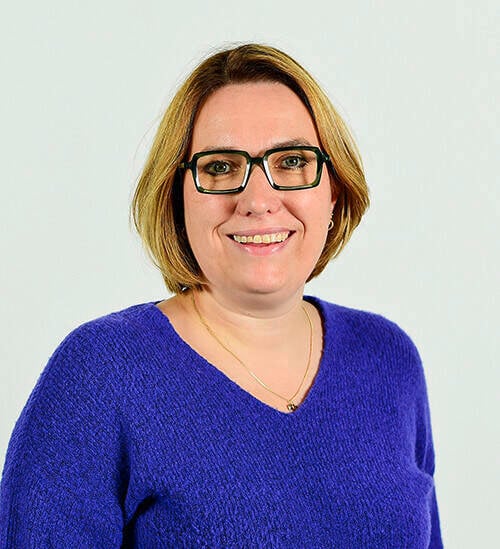
“For me, the most important focal point is that there needs to be plenty of attention for education in the strategy development. In academic hospitals, there is naturally a strong focus on care, from which everything else follows. But the other way around is also possible: education and research can result in changes in care. A main topic is the flexibility of employees and that means that a translation to education is needed: what can we do to ensure the curriculum ‘goes with the flow’?
As a focus group we help brainstorm about things such as how can we best involve employees, and how do the people we represent feel about strategy development? We can also attend meetings. I went to a few TrendTalks and wrote a report on them for my colleagues. During our staff meetings we discussed themes from the reports and I also shared some excerpts from the TrendTalks. The meetings were interesting and I thought it would be a waste if the information was not available for use in our department. In this sense we are secretly also ambassadors.
Many people in the organisation feel far removed from the strategy. I think we need to be realistic and be aware that not everyone will actively form an opinion on it. It would be great if everyone at least knows that we are working on this, to make sure people are not surprised by anything in the future.”
Kirsten Douma
team manager for lecturers of the Medical School (Education support)
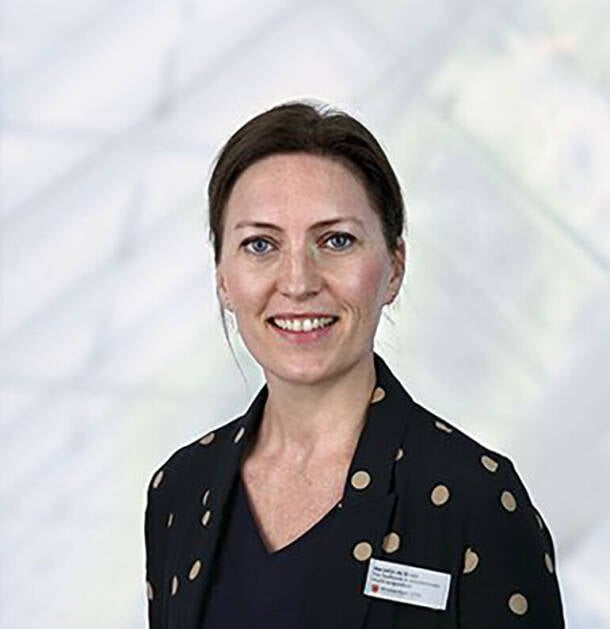
“I joined the focus group on behalf of a mixed base including mainly nurses, medical assistants and administrative assistants of both clinical and outpatient departments. It is less self-evident for them that they can actively contribute to strategy development, while the themes are recognisable and tangible in their daily practice. I contribute to brainstorming about how we can bring the strategy a little closer to them and which channels would be most effective in involving them. I also work the other way around, by bringing their practice to the focus group, because the new strategy needs to reflect all departments and be workable for everyone.
Themes such as staff shortages and sustainability will require new and creative solutions and good leadership from us. During the merger, our focus was inward. Now we are more open to what we are facing from the outside. At the same time we need to be aware that many are still working intensively on lateralisations or their consequences. These types of drastic changes require a great deal from everyone, but not everyone will have the same scope available at the same time.”
Marjolijn de Bruijn
Head of outpatient clinics division 2
Rein Oostveen
PhD candidate, on behalf of ASAP
“The topic of the multi-year strategy and its components is interesting to PhD candidates. AI is a topic of discussion at lunch almost every day. We are already using ChatGPT on a daily basis for data analyses and in the writing of manuscripts, but the frameworks in this context are still lacking. While we can see benefits, we are also concerned about the risks and possible ethical concerns. Ours is the first generation to work with AI and the generation that uses it the most by far, so we are glad to share our thoughts and experiences. Another very important topic for younger employees is the environment. Is it even acceptable to fly around the world for conferences?
We are happy that there is attention for our perspective, that people listen to us seriously and that our input is actually used in practice. The strategy team’s set-up is excellent: representatives from all layers of the Amsterdam UMC organisation get together and everyone listens to each other. We were also pleasantly surprised to find out that multiple PhD candidates had been invited to the two-day Strategy event. This shows that our voice matters.
The topics we are currently discussing are major. Labour market, AI, environment: all matters that we deal with on a daily basis or will be dealing with. We now have the opportunity to determine our approach, so get involved!”
The members of the focus group are Judith Weeda and Dayenne Zwaagman (patient perspective), Fatiha Stitou Laaroussi and Marjolijn de Bruijn (nurses, medical assistants and outpatient clinic employees), Cees van Kuijk and Tijs Stehman (medical specialists), Marian de Haan, Suzanne Geerlings, Peter Steltman, Hotze Lont and Kirsten Douma (education & training), Rashmi Kusurkar and Ronald Boellaard (research), Rein Oostveen (Association of Amsterdam UMC PhD Candidates), Merel Peletier (Young Amsterdam UMC), Gijs van den Bergh and Vince Schilder (Medical students), Mirjam van Belzen (Public Affairs, Communications Department), Judith van Dijk (Facilities Services) and Dieta Kroes and Ingrid Blom (HR).

© Amsterdam UMC 2024