Missed the TrendTalks? The video recordings and presentations are available on Tulpintranet under the Strategy theme.
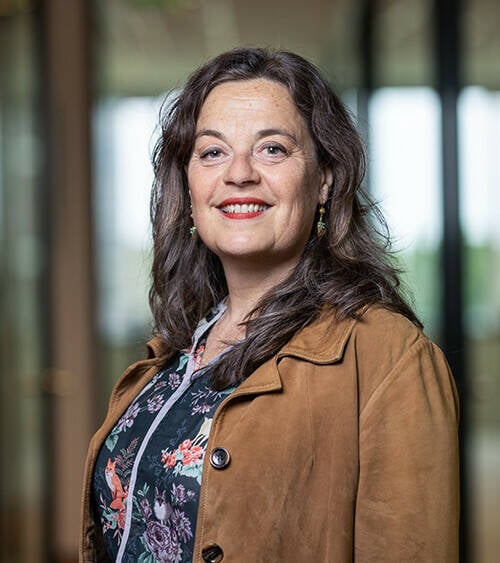
“We have a responsibility as part of a bigger picture”
“We’re developing this strategy for Amsterdam UMC, but our organisation is not an island. This is something that has come up repeatedly during this journey: we need to look outward. We’re part of a multicultural city that’s connected to the rest of the world. If we want to have an impact on global health, we have to look for ways to collaborate, regionally as well as globally. To solve health problems, we need to work together, develop a common agenda and invest in care as well as research and education.
In the Global Health vision document, which will help inform the strategy development process, we explicitly discuss problems such as inequality, reduced access to care and increased risk of disease as a result of poor socio-economic conditions. We see these differences between neighbourhoods in Amsterdam and regions in the Netherlands, but also on a global scale. That’s why an international perspective is also relevant to our own region. For the strategy, it’s important to properly identify what we have to offer in this area and where we want to make a difference.
In the past 15 years, a lot of work has been done already when it comes to Global Health – not only in our department but also in other departments here at Amsterdam UMC. We’ve developed a vision for international cooperation and sustainable partnerships. To make real impact, we must be willing to invest and develop programmes that also allow us to apply for funding together with our partners. These aren’t things that happen automatically: they take time and effort, and a willingness to exchange views.”
Food for thought from the TrendTalks:
The Integrated Care Agreement (Integraal Zorgakkoord, IZA) gives a huge boost to regional collaborations.
A shared, concrete and supported goal benefits cooperation. Once a network exists and achieves success, all kinds of parties will want to join.
Actively pursue equal partnerships with low- and middle-income countries: from a ‘vicious cycle’ to a ‘virtuous cycle’.
If we want to ensure equal opportunities in education, work and research, we need to start with research. This also means that institutions need to commit to change.
The input from these TrendTalks was further explored in the expert sessions on Regional cooperation and International cooperation and global health. The results of these sessions will be discussed during the Help Shape Our Future events and the two-day strategy meeting.


Regional, national and international collaboration
Food for thought from the TrendTalks:
The Integrated Care Agreement (Integraal Zorgakkoord, IZA) gives a huge boost to regional collaborations.
A shared, concrete and supported goal benefits cooperation. Once a network exists and achieves success, all kinds of parties will want to join.
Actively pursue equal partnerships with low- and middle-income countries: from a ‘vicious cycle’ to a ‘virtuous cycle’.
If we want to ensure equal opportunities in education, work and research, we need to start with research. This also means that institutions need to commit to change.
The input from these TrendTalks was further explored in the expert sessions on Regional cooperation and International cooperation and global health. The results of these sessions will be discussed during the Help Shape Our Future events and the two-day strategy meeting.
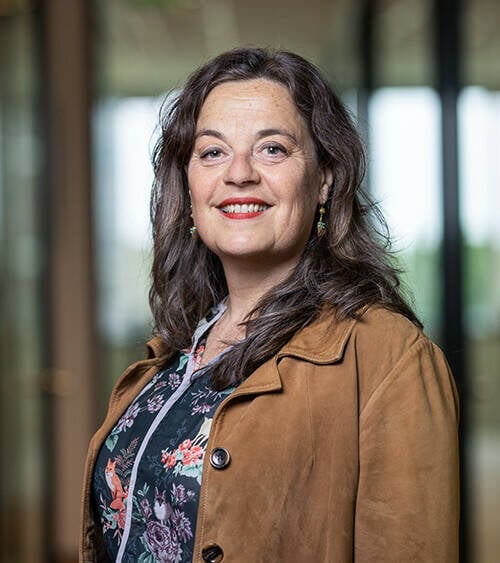
“We have a responsibility as part of a bigger picture”
“We’re developing this strategy for Amsterdam UMC, but our organisation is not an island. This is something that has come up repeatedly during this journey: we need to look outward. We’re part of a multicultural city that’s connected to the rest of the world. If we want to have an impact on global health, we have to look for ways to collaborate, regionally as well as globally. To solve health problems, we need to work together, develop a common agenda and invest in care as well as research and education.
In the Global Health vision document, which will help inform the strategy development process, we explicitly discuss problems such as inequality, reduced access to care and increased risk of disease as a result of poor socio-economic conditions. We see these differences between neighbourhoods in Amsterdam and regions in the Netherlands, but also on a global scale. That’s why an international perspective is also relevant to our own region. For the strategy, it’s important to properly identify what we have to offer in this area and where we want to make a difference.
In the past 15 years, a lot of work has been done already when it comes to Global Health – not only in our department but also in other departments here at Amsterdam UMC. We’ve developed a vision for international cooperation and sustainable partnerships. To make real impact, we must be willing to invest and develop programmes that also allow us to apply for funding together with our partners. These aren’t things that happen automatically: they take time and effort, and a willingness to exchange views.”
Regional, national and international collaboration

© Amsterdam UMC 2024
